Radon in Well Water: What North Georgia Residents Need to Know
If your home relies on a private well in North Georgia, airborne radon might not be your only risk. Learn how radon enters your water supply and how to test for it.
The Hidden Threat in Your Well Water
Most Georgia homeowners know about airborne radon, but if you live in rural areas or outer suburbs (like Cherokee, Forsyth, or Hall counties) and rely on a private well, you face a secondary risk: radon in your water supply.
How Does Radon Get Into Water?
Radon gas dissolves into groundwater as it moves through the granite bedrock common in North Georgia. When that groundwater is pumped into your home via a private well, the radon comes with it. Municipal (city) water is treated and aerated before it reaches your home, so this is almost exclusively a risk for private well owners.
The Two Health Risks of Waterborne Radon
1. Inhalation (Primary Risk): The biggest danger isn't actually drinking the water, it's breathing it. When you take a hot shower, run the dishwasher, or do laundry, the agitation releases the trapped radon gas out of the water and into your indoor air.
2. Ingestion (Secondary Risk): Drinking water with high radon levels does carry a slight risk of internal organ cancers, particularly stomach cancer, though the inhalation risk is statistically much higher.
How is Radon in Water Tested?
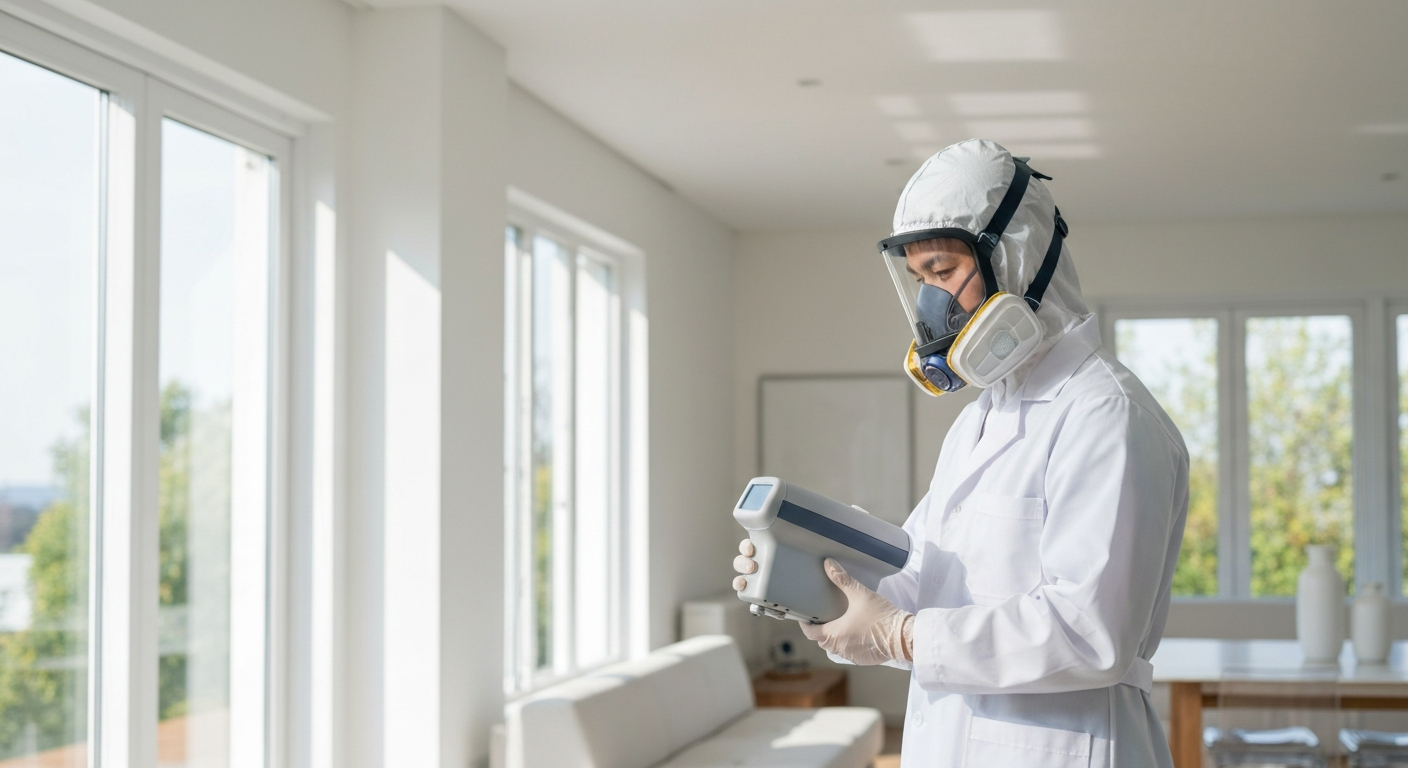
Testing for radon in water requires strict protocols. Unlike standard bacteria or lead tests, the water sample must be collected with zero air bubbles (headspace) in the vial, because the radon gas will escape into the air bubble before it reaches the lab. At Atlas Environmental Solutions, our certified technicians collect the samples using specialized zero-headspace vials and rush them to an accredited lab for analysis.
What to Do if Levels Are High
If testing reveals high radon levels in your well water, a mitigation contractor can install an aeration system or a granular activated carbon (GAC) filter at the point where the water enters your home. Always get an independent test from a company like Atlas first, so you have unbiased baseline data before requesting mitigation quotes.
Need an Expert Opinion?
Our certified professionals provide unbiased environmental testing across Georgia.
Schedule TestingShare this article
Zero Conflict of Interest
We test. We don't remediate. Get accurate, unbiased data about your indoor air quality.
Book NowMore from the Blog
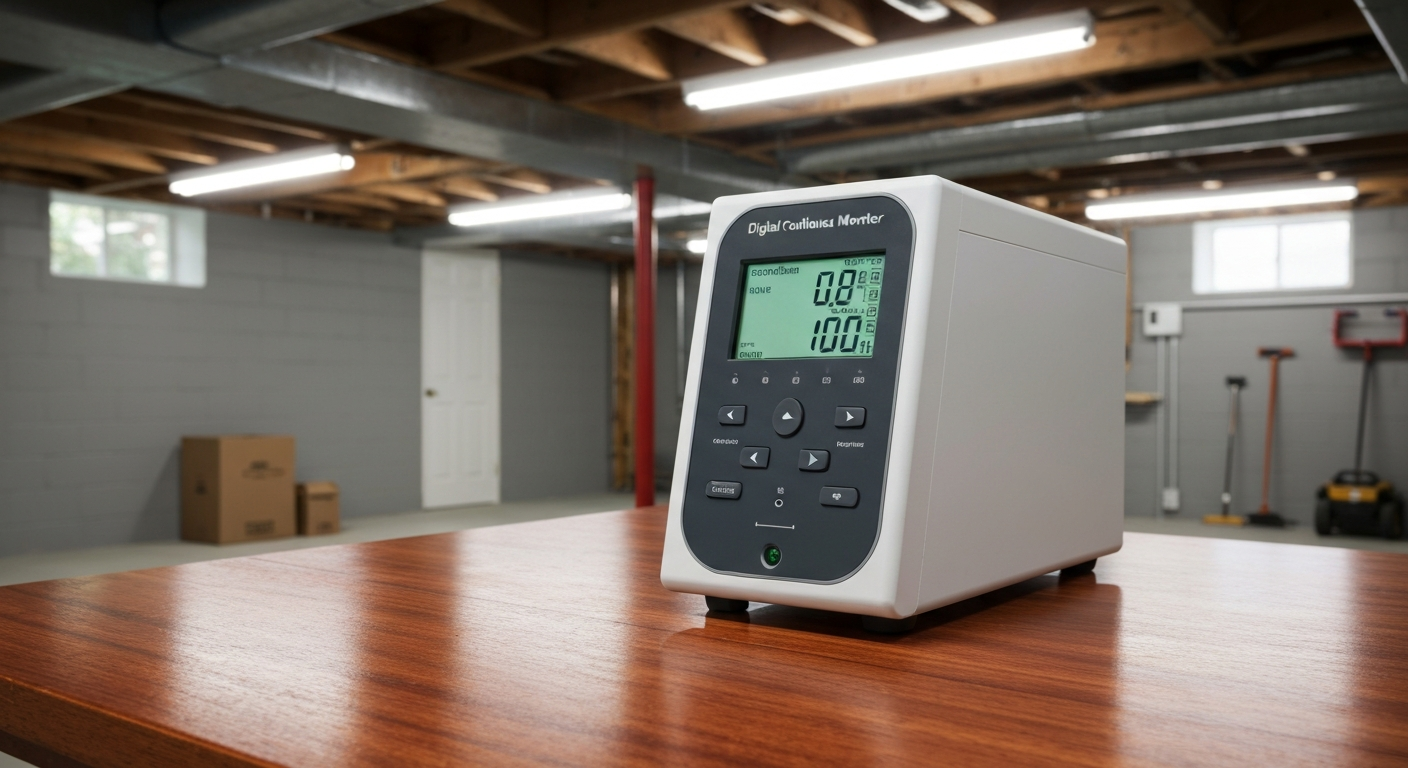
Free Charcoal Radon Test Kits vs. Professional Testing: Which Is Better for Your Georgia Home?
The Conflict of Interest in Georgia's Mold Industry: Why Independent Testing Matters